Sacral Spine: Anatomy, Function, and Importance
The sacral spine is a key component of the human skeletal system, playing a crucial role in supporting the body’s weight, connecting the spine to the pelvis, and enabling a range of movements. In this comprehensive blog, we’ll delve deep into the sacral spine, exploring its anatomy, functions, common issues, and how it affects overall posture and movement.
Whether you’re a fitness enthusiast, healthcare professional, or simply curious about how your body works, understanding the sacral spine is essential for maintaining spinal health and preventing injury.
What is the Sacral Spine?
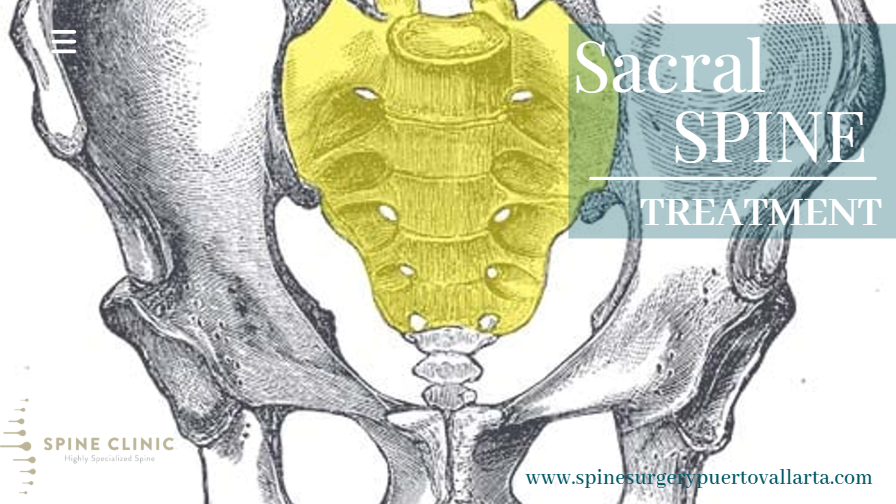
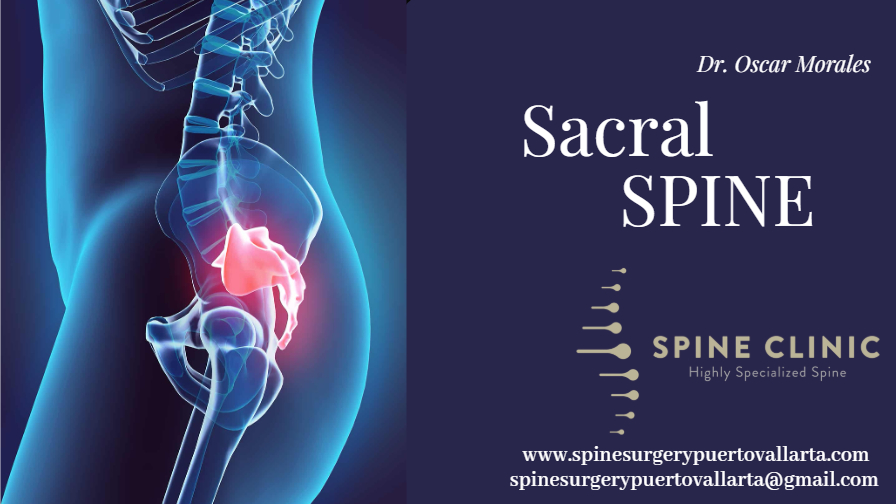
The sacral spine refers to the sacrum, a triangular-shaped bone located at the base of the spine between the lumbar spine and the coccyx (tailbone). It is composed of five fused vertebrae (S1-S5) and forms part of the pelvic structure.
While most of the vertebrae in the spine are separate bones, the vertebrae of the sacral spine fuse together during early adulthood, creating a strong, rigid structure.
This fusion is vital for providing stability to the upper body and supporting the load of the spine. Understanding the anatomy of the sacral spine can help us appreciate how this part of the body functions and interacts with other structures.

The sacral spine consists of:
- Sacrum: As mentioned, the sacrum is a wedge-shaped bone made up of five fused vertebrae. It connects to the lumbar spine at its upper end (L5 vertebra) and the coccyx at its lower end.
- Ala: On either side of the sacrum are wing-like structures called the ala. These are part of the sacroiliac (SI) joints that connect the sacrum to the iliac bones of the pelvis.
- Sacral Canal: This is the continuation of the spinal canal, which houses the cauda equina, a bundle of nerve roots that descend from the spinal cord.
- Sacroiliac Joints: The sacroiliac joints are located on either side of the sacrum where it meets the iliac bones. These joints are essential for transferring the weight of the upper body to the pelvis and legs.
The Role of the Sacral Spine in the Body
The sacral spine serves several critical functions in the body. It not only supports the weight of the upper body but also plays a role in connecting the spine to the pelvis and enabling movement. Here are some of the key functions of the sacral spine:

Weight-bearing Support: The sacral spine is the foundation that supports the entire upper body. Without the strength and rigidity of the sacrum, the lumbar spine and pelvis would not be able to support our weight when standing, walking, or engaging in physical activities.
Connection Between the Spine and Pelvis: The sacral spine forms a critical connection between the lumbar vertebrae and the pelvis. This connection allows the transfer of forces and movements between the upper body and lower limbs, helping maintain balance and movement.
Stability in Motion: The sacrum’s unique shape and structure provide stability during motion. The sacral spine helps with activities such as walking, running, and lifting by stabilizing the pelvis and allowing the legs to move freely.
Protection of Nerves: The sacral canal within the sacral spine houses important nerve roots, which supply the lower extremities. Any damage or compression to the sacral spine can affect nerve function, potentially leading to symptoms like sciatica.
Sexual and Reproductive
Health: The sacral spine plays a role in sexual and reproductive health as it supports pelvic organs, including the uterus, bladder, and rectum. It also provides a passage for nerves that affect these organs, contributing to their function.