Sciatica Surgery
Surgery for sciatica is usually considered when leg pain and/or weakness is persistent or progressive even after several methods of non-surgical sciatica treatments have been tried. In a few cases, surgery may be considered as the first option.
The symptoms of sciatica are commonly felt along the path of the large sciatic nerve. Sciatica is often characterized by one or more of the following features:
Pain
Sciatica pain is typically felt like a constant burning sensation or a shooting pain starting in the lower back or buttock and radiating down the front or back of the thigh and leg and/or feet.
Numbness
Sciatica pain may be accompanied by numbness in the back of the leg. Sometimes, tingling and/or weakness may also be present.
One-sided symptoms
Sciatica typically affects one leg. The condition often results in a feeling of heaviness in the affected leg. 1 Rarely, both legs may be affected together.
Posture induced symptoms.
Sciatica symptoms may feel worse while sitting, trying to stand up, bending the spine forward, twisting the spine, lying down, and/or while coughing. The symptoms may be relieved by walking or applying a heat pack over the rear pelvic region.
Sciatica is a term used to describe a set of symptoms caused by an underlying medical condition; it is not a medical diagnosis.
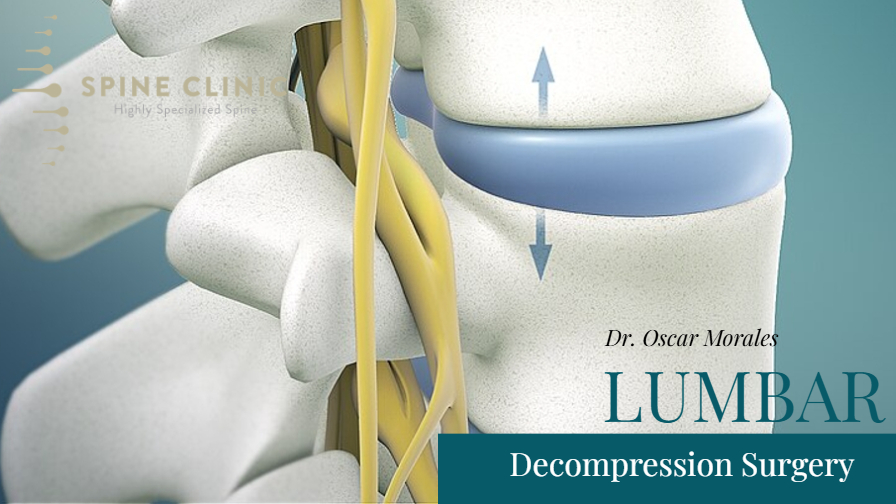
Common medical conditions that may cause sciatica include:

- A herniated lumbar disc
- Lumbar spinal stenosis
- Lumbar degenerative disc disease, general degenerative changes in vertebrae or discs
- Spondylolisthesis
- Muscle spasm and/or inflammation of the lumbar and/or pelvic muscles
- Sacroiliac joint dysfunction
- Rarely, tumors, blood clots, or other conditions in the lower spine may cause sciatica
Surgical Considerations for Sciatica
When Surgery Becomes the Primary Option
A few examples where surgery is considered as a first option are:
- Cauda equina syndrome—a medical emergency where nerve roots of the cauda equina are compressed and motor and sensory function in the lower body are lost.
- Tumors, collection of fluid (cyst or abscess), or severe fractures in the lumbar spine
- Bilateral sciatica—sciatica affecting both legs, may be caused by multiple level disc herniation, severe single level herniation, or central spinal stenosis
- Infection in the pelvic region that does not respond to medication.
In addition, surgery may be considered when leg pain and/or weakness persists for more than 6 to 8 weeks despite nonsurgical treatments and/or when pain affects everyday activities.

Make an appointment
spinesurgerypuertovallarta@gmail.com
To have easier communication with specialist please provide the following information by email:
- A small narrative from the patient telling his/hers story and symptoms
- Copies of the most recent medical reports
- Copies of imaging reports (x-Rays, CT scans, ultrasound and/ or MRI’s, etc)
- Images of the affected area
- (For visitors ) Possible dates you can travel to Puerto Vallarta or Riviera Nayarit
Files, studies and updates can be complete during their presurgical appointment