Thoracic Surgery
Thoracic Laminectomy
Thoracic laminectomy is a procedure performed to decompress the spinal cord of the thoracic spine.
Laminectomy surgery can help relieve pressure on the spinal cord caused by spinal stenosis (narrowing of the spinal canal).
Thoracic laminectomy can be a good option to treat patients with thoracic spinal stenosis and who are suffering from weakness, numbness, impaired ambulation, and other signs and symptoms of myelopathy.
How Laminectomy Works
Laminectomy surgery works by removing the overgrown bone or ligament (ligamentum flavum) that is causing compression.
Laminectomy surgery helps by increasing the space surrounding your spinal cord and ensuring the spinal fluid that flows around your spinal cord has more room to flow normally.
By relieving the pressure, your nerves have more room and are in a better environment to heal as the inflammation settles down.
Having laminectomy surgery typically translates to significant relief of symptoms such as pain and weakness.
Benefits of Laminectomy
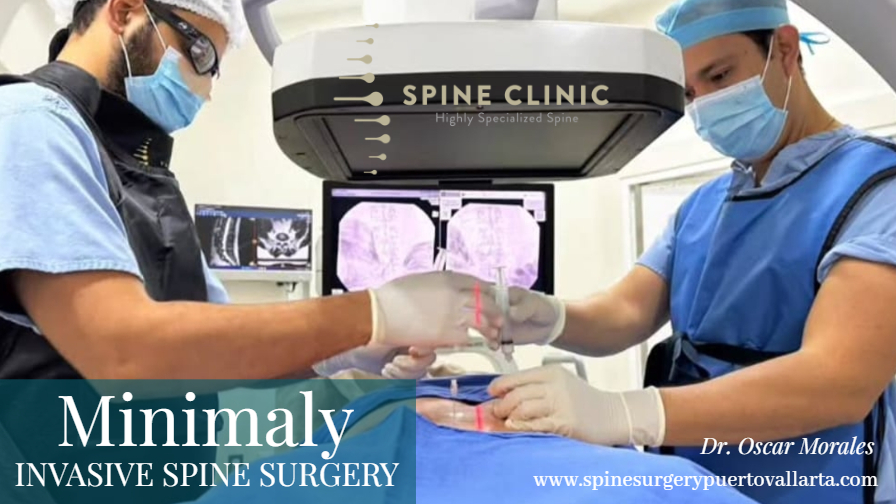
Laminectomy can be done via minimally invasive methods with small incisions and the aid of a microscope.
Because it involves less muscle disruption, recovery tends to be faster, with shorter hospital stays and quicker returns to work and normal function.
It allows your surgeon to directly remove any offending agents and directly visualize your nerve roots to ensure they are well decompressed.
Because it does not involve a fusion, there is no compromise in flexibility or range of motion.
Recovering from Laminectomy
Recovery and prognosis for laminectomy are excellent.
Greater than 95 percent of patients have laminectomy on an outpatient basis and return home the same day as surgery.
You may experience two to three days of low-grade pain at the site of the incision, which is treated with pain medicine.
After laminectomy, most patients quickly experience complete relief from back and leg symptoms.
Most people completely recover in about three to six weeks with physical therapy.
It is common to have infrequent tingling, numbness, or shooting pains after surgery, which typically improve with time and physical therapy as the nerve continues to heal.
Generally, patients are encouraged to walk as much as possible in the first month, but to avoid bending, twisting, or lifting greater than 15lbs.
You start physical therapy at around 4 weeks, and typically return to normal activity by 3-4 months.